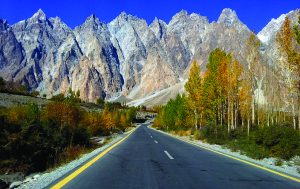
Passu Cones, also known as Passu Cathedral, is one of the most mesmerizing natural landmarks in Hunza Valley, Pakistan. These jagged, pointed peaks are part of the Karakoram Range and are located near Passu Village in Upper Hunza. With their pyramid-like formations, they rise to 6,106 meters (20,033 feet), dominating the landscape and offering breathtaking views.
Passu Cones are famous among travelers, photographers, and trekkers for their striking appearance, which stands out against the serene blue sky and the flowing Hunza River. The region is a paradise for adventure seekers, with its stunning scenery, challenging treks, and rich cultural heritage.
This comprehensive travel guide will provide detailed information on everything you need to know about visiting Passu Cones, including travel tips, trekking routes, historical significance, local culture, and more.
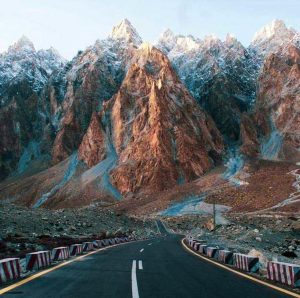
Passu Cones are situated in the Gilgit-Baltistan region of Pakistan, along the Karakoram Highway (KKH), the world’s highest paved international road. The peaks are located close to Passu Village, which lies between Gulmit and Sost, about 150 kilometers from Gilgit City.
Latitude: 36.4711° N
Longitude: 74.8823° E
| Attraction | Distance from Passu Cones | Estimated Travel Time | Notable Features |
|---|---|---|---|
| Hunza Valley (Karimabad) | 40 km | 1 hour | Historical forts, Hunza Bazaar, Eagle’s Nest viewpoint |
| Attabad Lake | 30 km | 40 minutes | Boating, jet skiing, scenic blue lake |
| Hussaini Suspension Bridge | 4 km | 10 minutes | One of the most dangerous bridges in the world |
| Borith Lake | 5 km | 15 minutes | A peaceful lake with trekking access to Passu Glacier |
| Passu Glacier | 5 km | 2 hours (trek) | Spectacular glacier, challenging trek |
| Batura Glacier | 10 km | 2 hours (trek) | One of the longest non-polar glaciers in the world |
| Sost (Pak-China Border Town) | 50 km | 1.5 hours | Gateway to China, customs and immigration center |
| Khunjerab Pass (Pak-China Border) | 90 km | 2.5 hours | Highest paved international border crossing (4,693m) |
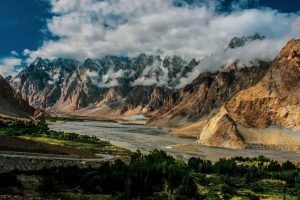
The Hunza River flows in the foreground of Passu Cones, creating a spectacular natural composition that draws visitors from around the world.
Reaching Passu Cones requires some planning, but the journey is as scenic as the destination.
Related: Hunza Valley Tour Guide 2025
Related: Attabad Lake Tour Guide 2025
The best time to visit Passu Cones depends on the experience you’re looking for. Here’s a seasonal breakdown:
| Season | Temperature | Best For |
|---|---|---|
| Spring (March – May) | 5°C – 20°C | Blooming flowers, pleasant weather, green valleys |
| Summer (June – August) | 10°C – 25°C | Trekking, clear skies, photography |
| Autumn (September – November) | 0°C – 15°C | Golden autumn foliage, fewer tourists |
| Winter (December – February) | -10°C – 5°C | Snow-covered peaks, extreme cold, serene landscapes |
Ideal time to visit: April to October
Avoid winter if you are not accustomed to extreme cold.