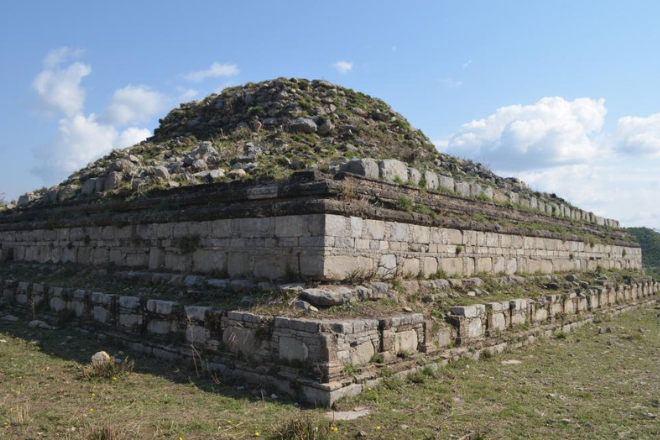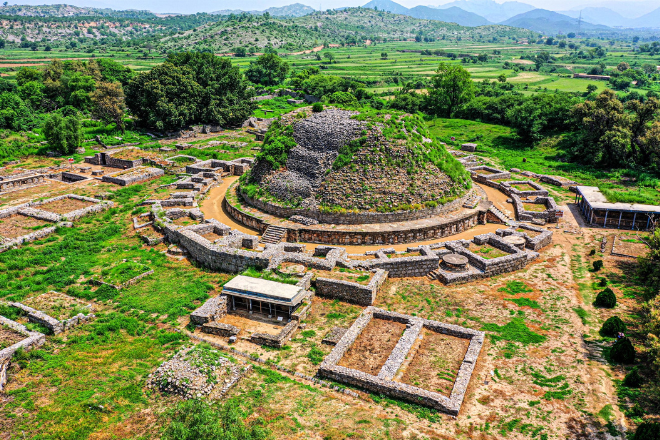
Taxila is a city rich in ancient history, located in Punjab, Pakistan. About 35 kilometers from Rawalpindi, it is home to significant archaeological sites. Taxila is famous for its rich archaeological sites, including ancient Buddhist stupas and monasteries. It was once a center for Buddhist learning.
The history of Taxila stretches back over 3,000 years. Its original name was Takshashila, a prominent city in the Gandhara region. The city was a key learning hub during the Mauryan Empire and became famous for its Buddhist sites. It was also part of ancient trade routes that connected different civilizations.
Taxila’s origins date back to around 1000 BCE when it was a small settlement that gradually grew into a major city. Under the rule of the Achaemenid Empire and later Alexander the Great, it became a vital center for learning and commerce. During the Mauryan Empire, it flourished as a hub for Buddhist teachings, housing numerous stupas and monasteries.
The Taxila Ruins are a UNESCO World Heritage Site that offers insight into the Gandhara civilization. Spread over a vast area, they include temples, stupas, and monasteries. Visitors can walk through the ruins and imagine the city’s former grandeur.
Taxila’s legacy continues today through its historical places and ruins, which reflect its cultural and religious significance.

Taxila remains a city that bridges its rich historical past with modern advancements. In ancient times, it was celebrated for institutions like Takshashila University, which attracted scholars worldwide. Today, Taxila continues its educational legacy with prominent institutions such as:
These universities uphold Taxila’s tradition of academic excellence and innovation and serve as key centers for higher education in Pakistan.
The best time to visit Taxila is during the winter and spring months, from November to March. The Taxila weather during these months is perfect for outdoor activities and exploring ancient ruins without discomfort.
Taxila is easily accessible by road and rail, with connections from major cities. Taxila railway station offers regular train services for visitors. Here is a table of accessible routes:
Starting Point | Distance and Route |
Rawalpindi to Taxila distance | 35.5km |
Islamabad to Taxila | 34km |
Peshawar to Taxila | 159km |
Lahore to Taxila | 381km |
Taxila Cantonment Railway Station | Serves as a convenient access point for visitors |
Taxila is known for its historical sites, each offering a glimpse into the ancient past.

The Taxila Museum houses many artifacts, sculptures, and coins from the Gandhara civilization. Visitors can explore Buddhist relics and sculptures that showcase the region’s artistic achievements.
This Museum is renowned for its extensive collection of artifacts from the ancient city of Taxila. It houses sculptures, coins, and inscriptions that illustrate the city’s rich Buddhist heritage and historical significance. Its exhibits provide valuable insights into the region’s cultural and historical evolution.

Located on a short drive from Taxila, Khanpur Dam Taxila is a popular spot for picnics and water sports. The serene surroundings and clear water make it a great place to relax. Boating and fishing activities are also available for visitors.
It is a significant multipurpose dam built in 1983. It is a crucial source of irrigation, flood control, and hydroelectric power for the region. The dam’s reservoir is also popular for recreational activities such as boating and fishing, offering scenic views and a relaxing environment.

Mabali Island is a popular recreational spot near Khanpur Dam. It is a scenic destination located in the Khanpur Dam reservoir. Known for its tranquil environment and natural beauty, it is popular for picnics and outdoor activities. The island provides a picturesque escape and an opportunity to enjoy the serene waters and lush surroundings with your family and friends.

Faisal Hills Taxila is a modern residential area located near historical landmarks. The Faisal Hills Monument Arc is a striking feature, offering panoramic views of the nearby landscape. It blends modern architecture with scenic beauty.
The hills provide stunning panoramic views of the surrounding region and are popular spots for hiking and outdoor activities. The area is also noted for its serene environment, making it ideal for relaxation.

The Dharmarajika Stupa is one of Taxila’s largest and most significant Buddhist monuments. It was built to house the relics of Buddha and remains a sacred site. The stupa showcases the grandeur of the Mauryan Empire’s religious influence.
It was built during Emperor Ashoka’s reign in the 3rd century BCE. It is one of the most important Buddhist sites in the region, known for its historical significance and intricate relics. The stupa is an excellent example of early Buddhist architecture and art.
Sirkap Archaeological Site

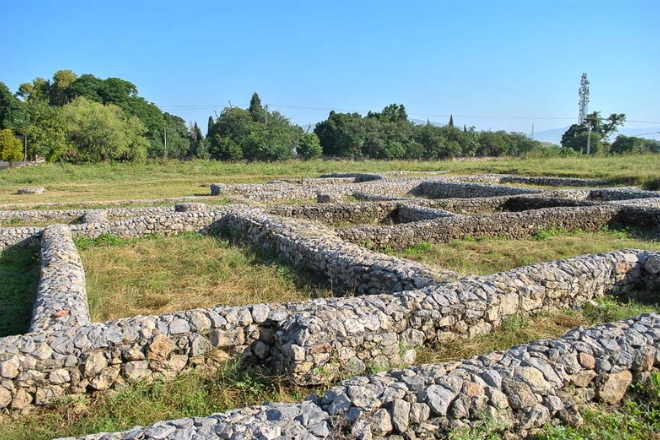
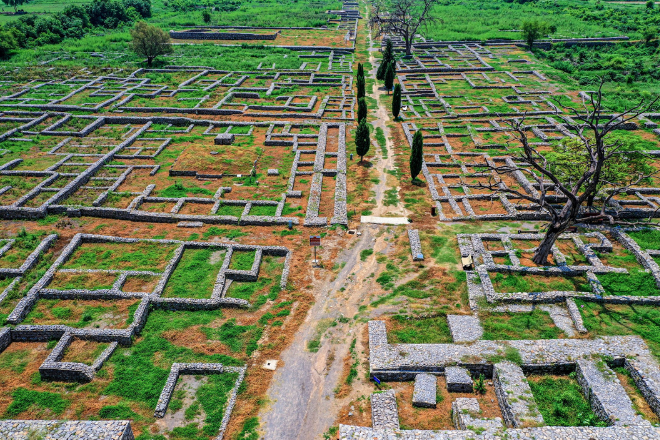
Sirkap is an ancient city excavated near Taxila. It is known for its unique grid layout, blending Greek and local cultural elements. The ruins here include stupas and monasteries, reflecting the religious diversity of ancient Taxila.
This archaeological site was once a major city of the Gandhara civilization. Founded by the Greco-Bactrian king Menander in the 2nd century BCE, Sirkap features ruins of Buddhist monasteries, stupas, and various public buildings. The site provides valuable insights into Ancient Ghandara’s urban planning and culture.

The Jaulian Monastery is a well-preserved Buddhist monastery in Taxila. It includes a central courtyard and meditation cells for monks. The monastery is surrounded by lush greenery, adding to its peaceful atmosphere.
This Buddhist monastery complex dates back to the 2nd century CE. It includes well-preserved remains of monastic cells, stupas, and vihara (prayer halls), reflecting the period’s architectural style. The monastery is a crucial site for understanding Buddhist monastic life in ancient times.

The Mohra Moradu Stupa is located near Jaulian and is a smaller but intricately designed Buddhist monument. Monks used the stupa and nearby monasteries for spiritual practices. It is known for its unique architectural style and well-preserved relics. Built during the Kushan period, it features intricate carvings and remains of a monastery complex. The site has carvings that are crucial for studying the development of Buddhist art and architecture.
Bhir Mound Monument

The Bhir Mound is believed to be the oldest settlement in Taxila. Excavations have revealed a city that dates back to the 6th century BC. It showcases early urban planning and ancient lifestyles. Such an ancient archaeological site represents the earliest phase of Taxila’s urban development.
It dates back to the 6th century BCE and includes ruins of early Buddhist stupas, monasteries, and residential buildings. The site provides important information about Taxila’s early history and its role in ancient trade and culture.

The Kunala Stupa and Monastery is associated with Ashoka’s son, Kunala, and offers historical significance for visitors. The site reflects the impact of Buddhism on the region during the Mauryan era.
It dates back to the 1st century CE and features a stupa and monastery complex with well-preserved relics and architectural elements. The site offers insights into the Kushan Perioid’s religious practices and architectural styles of the Kushan period.
Taxila offers a range of accommodation options to suit different budgets and preferences. From guesthouses to mid-range hotels, visitors can find comfortable places to stay during their visit. Popular hotels in Taxila provide modern amenities and easy access to historical sites like the Taxila Museum and Sirkap. Whether planning a short stay or an extended visit, there’s something for everyone, ensuring a pleasant experience.
Taxila’s vibrant culture is reflected in its traditions, festivals, and local cuisine.
Taxila offers a rich culinary experience influenced by its diverse cultural history. The local cuisine features traditional Pakistani dishes popular across the region, as well as specialties unique to Taxila. The food is known for its delicious flavors, using a variety of spices and fresh ingredients.

These festivals unite the community and offer insight into the city’s rich traditions. Its historical significance and diverse population influence the city’s celebrations, blending ancient customs with modern festivities.
Traditional music and dance performances are an integral part of Taxila’s cultural events. During festivals, folk dances like Bhangra and Gidda are performed on instruments such as Dhol, Tabla, Harmonium, and Pakhawaj.
The people of Taxila are warm and welcoming, eager to share stories of their heritage. Many families have lived in the area for generations, contributing to the city’s deep-rooted sense of history. Taxila’s residents come from various ethnic backgrounds, including Punjabis, Pashtuns, and other communities.
This diversity is reflected in the city’s cultural practices, languages, and traditions. Urdu and Punjabi are commonly spoken, while English is also widely understood. They maintain strong traditional values, evident in their daily lives and festivals. Family and community ties are highly valued, and social gatherings often involve traditional music, dance, and local cuisine.

The area around Taxila is home to various wildlife species. Below is a table showcasing some of the species found in the region:
Wildlife Species | Habitat Type |
Jackal | Forests near Khanpur |
Indian Peafowl | Agricultural areas |
Wild Boar | Grasslands around Taxila |
Chukar Partridge | Rocky Hills near Taxila |
Indian Cobra | Rural areas and farms |
Taxila is a treasure trove of history and culture, offering visitors a chance to step back in time. With its ancient ruins, rich traditions, and welcoming people, it’s a destination that leaves a lasting impression. From local crafts to historical landmarks, Taxila provides an experience that connects the past with the present. Plan your visit to explore this timeless city.
Guide to Pakistan is a valuable resource for discovering the country’s diverse attractions. It provides detailed information on various tourist spots, cultural sites, and natural landscapes. With insights on local customs, accommodations, and travel routes, it helps travelers explore Pakistan’s rich heritage and scenic beauty.
637, Street 34, DVs, Sector F, DHA Phase 1, Islamabad, Pakistan
info@guidetopakistan.pk
Phone : +92 3212224042