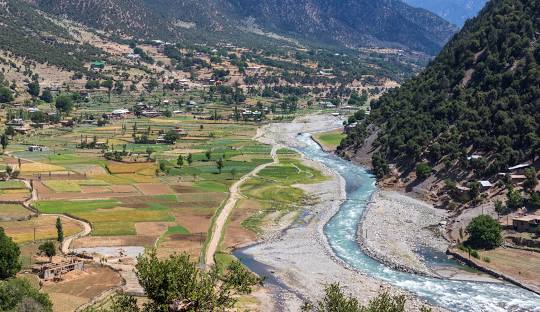
Dir Valley is a mountainous region in Khyber Pakhtunkhwa, located west of Swat and south of Chitral. The valley is divided administratively into Upper Dir and Lower Dir, both sharing similar landscapes but differing in elevation, climate, and settlement patterns.
Unlike well-known tourist hubs, Dir Valley Pakistan remains quieter and less commercial. It attracts travelers who prefer natural scenery, local culture, and slower movement rather than packaged tourism. The valley is shaped by rivers, forested slopes, and villages that follow traditional ways of life.
Dir Valley stretches along the Panjkora River, which plays a central role in agriculture and daily life. Lower Dir features wider valleys and denser settlements, while Upper Dir rises into steeper terrain with colder temperatures and forested hills.
Historically, Dir was a princely state before merging into Pakistan in the mid-20th century. This past still influences local identity, governance traditions, and village structures. Pashto is the primary language spoken across the valley, and social life is closely tied to family and community networks.
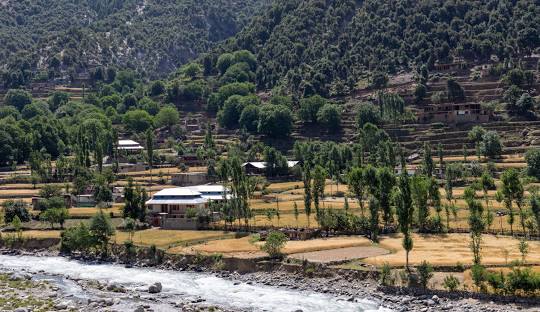
Upper and Lower Dir Landscapes
Traveling through both districts reveals changing scenery. Lower Dir offers accessible roads and cultivated land, while Upper Dir provides cooler weather and forested views.
Village Life
Small villages throughout the valley show traditional Pashtun rural life. Mud-brick houses, terraced fields, and communal gathering spaces are common.
Riverside Views
The Panjkora River accompanies much of the journey through the Dir Valley. Many visitors stop along the roadside to enjoy the water and mountain backdrop.
Photography
Dir Valley is suited for landscape and everyday-life photography. Morning and evening light bring out strong contrasts in hills and river valleys.
Access points: Timergara or Chakdara
For those searching for how to reach Dir Valley, the most common route is from Chakdara via Timergara. Roads are generally paved, though conditions may vary in Upper Dir.
There is no entry ticket to visit the Dir Valley. It is a living region rather than a controlled site. Visitors may encounter local checkpoints depending on conditions, but no tourism fee is charged.
The best time to visit Dir Valley depends on which part you plan to explore.
Upper Dir experiences colder conditions than Lower Dir due to its higher elevation.
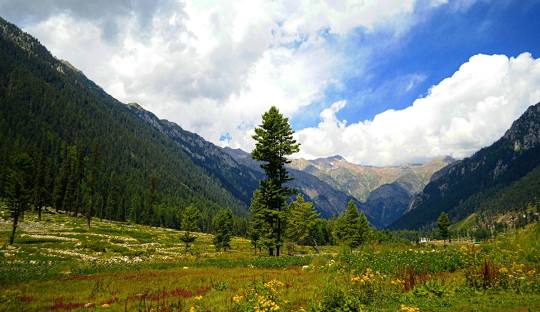
Dir Valley is a residential region with strong community values. Visitors should avoid littering, respect private land, and ask before photographing people or homes.
Tourism here is informal and low-impact. Responsible behavior helps maintain trust between locals and travelers.