
Naran Valley Pakistan is one of the most visited mountain regions in the Kaghan Valley of Khyber Pakhtunkhwa. Known for alpine lakes, river landscapes, and high mountain passes, Naran attracts travelers during the summer months when the valley opens after winter snowfall. The town of Naran acts as a base for exploring nearby natural landmarks and the upper Kaghan areas.
What makes Naran different from quieter hill stations is its role as a gateway. Travelers pass through Naran to reach lakes, glaciers, and mountain passes, while others stay longer to enjoy the surrounding scenery. Despite its popularity, the valley still offers moments of calm, especially early in the day or beyond the main town area.
Historically, Naran was not a permanent settlement but a seasonal stopover used by shepherds and traders passing through the Kaghan Valley. The area remained sparsely inhabited due to harsh winters and heavy snowfall. As roads and tourism infrastructure developed in the late 20th century, Naran began to evolve into a summer town.
As access improved, hotels, guesthouses, and local markets developed to support seasonal visitors. Even today, Naran’s population fluctuates sharply between summer and winter. During colder months, most businesses close, and the valley returns to a quiet, near-deserted state. This seasonal cycle remains central to Naran’s identity.
These represent the most popular places to visit in Naran Valley, especially during peak season.
From City | Approx. Distance | Route Overview |
Islamabad | ~280 km | Islamabad → Balakot → Kaghan → Naran |
Lahore | ~560 km | Lahore → Islamabad → Balakot → Naran |
Peshawar | ~330 km | Peshawar → Islamabad → Balakot |
Faisalabad | ~620 km | Faisalabad → Islamabad → Kaghan |
Karachi | ~1,500 km | Fly to Islamabad, then by road |
This seasonal cycle defines the best time to visit Naran Valley, which is largely limited to warmer months.
Accommodation in Naran is highly seasonal and closely tied to summer tourism. The town offers a wide selection of hotels, lodges, and guesthouses, most of which operate only during the open season. Facilities are designed to support short stays for travelers moving toward Saif ul Malook, Lulusar Lake, or Babusar Pass.
During peak summer months, Naran becomes crowded, and advance booking is strongly advised. Prices fluctuate based on demand, and availability can change quickly during long weekends. Travelers who prefer quieter surroundings often choose lodging slightly outside the main town area.
Because of Naran’s altitude, travelers should confirm heating, hot water, and power backup before booking. Accommodation here is functional rather than luxurious, serving as a base for exploration rather than a destination in itself.
For photography lovers:
Early-morning lake reflections at Saif ul Malook; river shots along Kunhar River; mountain light at Babusar Pass; cloud movement after rainfall.
For nature lovers:
Quiet walks near Lulusar Lake; riverside sitting areas; exploring upper Kaghan valleys away from town traffic; camping under open skies near riverbanks and alpine meadows.
For adventure lovers:
Jeep rides to Saif ul Malook and Babusar Pass; short hikes around lakes and open valleys; horseback riding along scenic trails in the upper valleys; fishing in the crystal-clear waters of Kunhar River (where permitted).
For families:
Boat rides at Saif ul Malook; relaxed sightseeing; short drives with frequent stops; easy riverside picnics and supervised fishing spots.
Food in Naran is shaped by seasonal living and road travel, not by long-established restaurants or culinary experimentation. Because the valley opens only for a few months each year, most food culture here is practical, warm, and designed to suit travelers after long drives and cold evenings.
One of the most popular and genuinely local meals is fresh trout, sourced from the Kunhar River and nearby streams. It is usually cooked simply—fried or lightly grilled—served hot with basic sides. This dish is preferred not because it is promoted, but because fish from cold mountain water tastes noticeably different here.
Other commonly eaten meals include chicken karahi, mutton karahi, daal chawal, and rice dishes, prepared in a straightforward, home-style way. These meals are filling and familiar, which suits both locals and travelers staying overnight.
Naran is also closely linked to the fruit and dry-fruit belt of upper Kaghan and nearby valleys. During summer, roadside stalls sell:
Dry fruits commonly found and consumed include:
These are often eaten as travel snacks or served with tea in the evenings. Food in Naran does not try to impress—it keeps people warm, full, and ready for the next day’s journey.
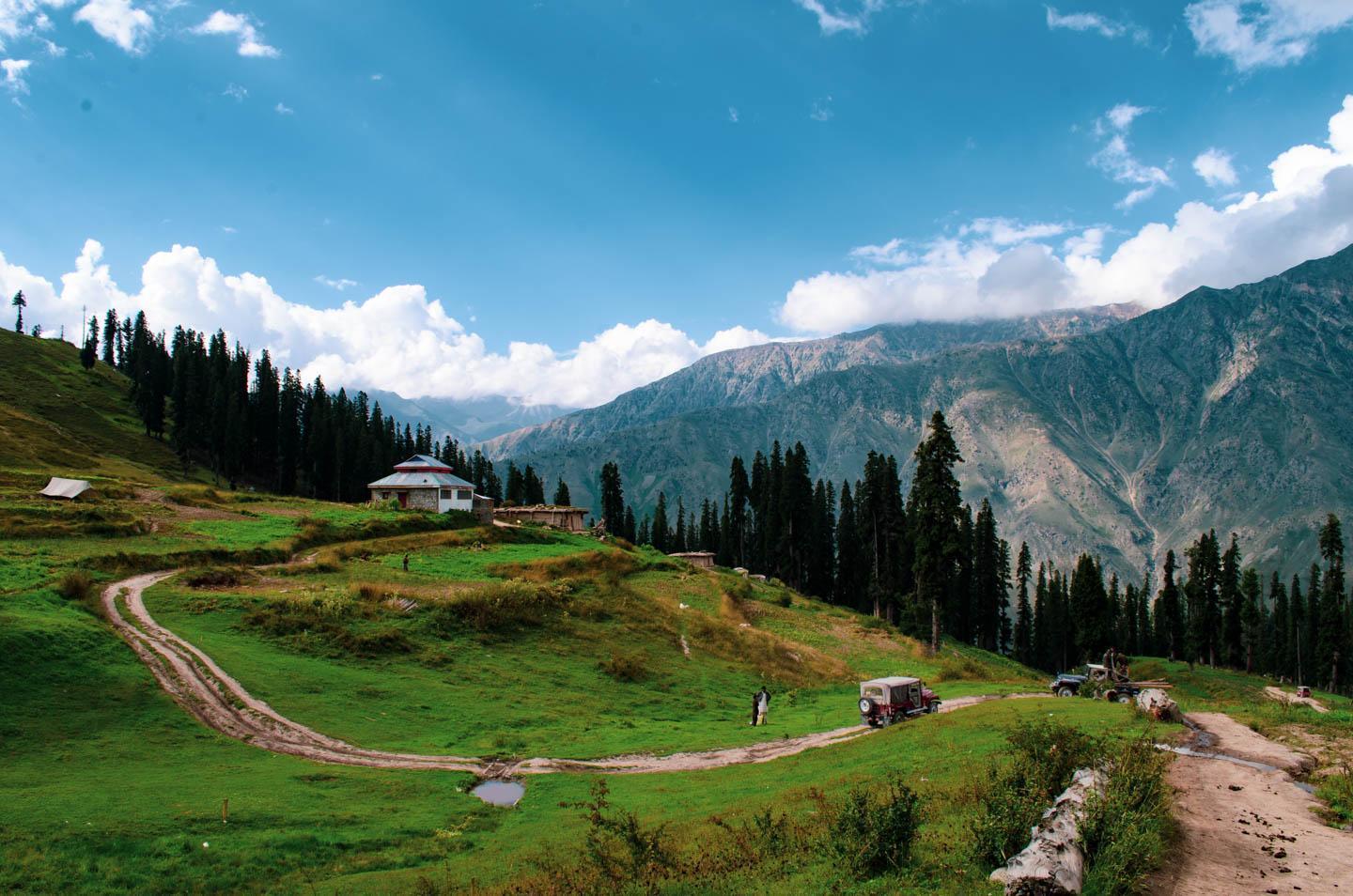
Naran’s culture is closely tied to the broader Kaghan Valley region. Local residents largely belong to Hindko-speaking communities, with livelihoods connected to tourism, livestock, and seasonal trade. Hospitality is practical and sincere, shaped by years of hosting travelers during short summers.
Cultural expression in Naran is subtle and practical rather than ceremonial. There are no large, named festivals unique to Naran, but celebrations happen through seasonal gatherings, weddings, and summer events when families reunite after winter separation.
During the summer months:
Winter, on the other hand, is quiet. Most residents move to lower areas, and the valley nearly shuts down. This movement cycle is central to Naran’s identity and shapes how people interact with visitors.
Traditional clothing remains common in daily life, especially in colder weather. Hospitality is straightforward and sincere—locals help travelers with directions, weather advice, and road conditions without formality. The culture here is not performative; it is shaped by survival, season, and shared space.
Wildlife exists in the broader Kaghan–Naran region, mainly:
These are not town sightings. They are found in quiet, high-altitude areas.
Category | Species / Types | Where They Are Found | Visibility for Visitors |
Mammals | Himalayan ibex | Rocky slopes near Babusar Pass | Rare, only in remote areas |
Himalayan marmot | Alpine meadows near Lulusar & Babusar | Occasionally seen in summer | |
Red fox | Forest edges and upper valleys | Rare, early morning or dusk | |
Himalayan weasel | Remote forest zones | Very rare | |
Wild mountain goats | High-altitude slopes | Rare, not near town | |
Birdlife | Snow partridge | Alpine and rocky terrain | Occasionally seen |
Himalayan monal (protected) | Forested high-altitude zones | Very rare | |
Golden eagle | Upper ridges and open skies | Rare sightings | |
Mountain finches & sparrows | Meadows and forest edges | Common | |
Aquatic Life | Brown trout | Kunhar River, cold streams | Common |
Rainbow trout | Kunhar River (introduced) | Common |
This is the most consistently encountered wildlife for visitors.
Category | Species / Types | Where They Are Found | Visibility for Visitors |
Trees | Pine | Upper Kaghan Valley forests | Very common |
Fir | Higher forest belts | Common | |
Birch (upper zones) | Near alpine regions | Limited | |
Plants & Ground Flora | Alpine grasses | Meadows and open slopes | Common in summer |
Wildflowers (seasonal) | Meadows near Lulusar & Babusar | Seasonal | |
Shrubs & mountain herbs | Hillsides and forest clearings | Common |
Traveling to Naran requires flexibility and awareness of seasonal realities. The valley’s beauty comes with limitations, and visitors who plan accordingly tend to have smoother experiences.
Naran rewards travelers who slow down, adjust plans when needed, and treat the valley as a living place rather than a checklist of stops.