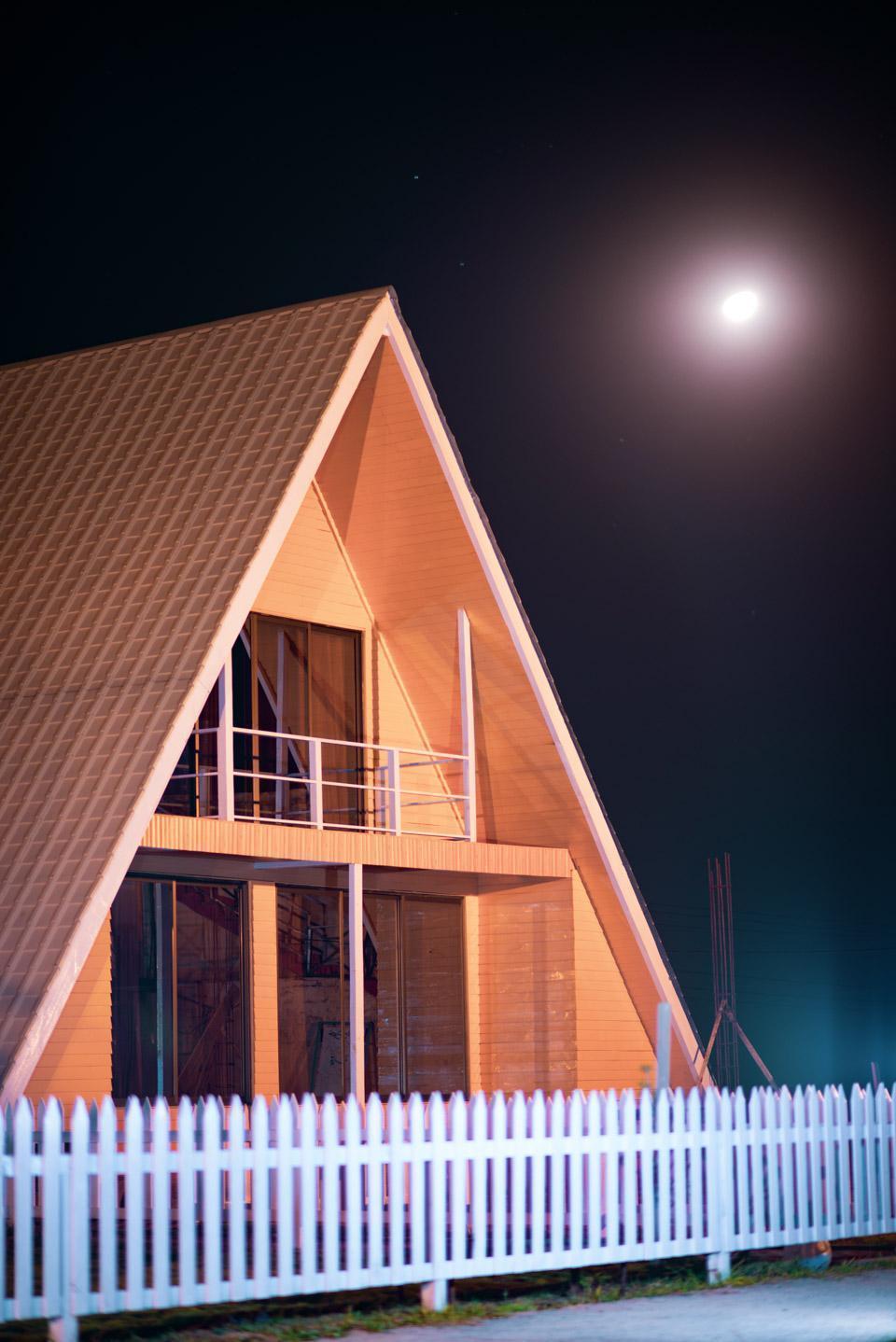
Shogran Hill Station is a well-known mountain retreat in the Kaghan Valley of Khyber Pakhtunkhwa, Pakistan. Set above the valley floor, Shogran offers cooler temperatures, open green meadows, and forested slopes that attract travelers seeking relief from summer heat. Unlike remote high-altitude areas, Shogran remains accessible by road for most of the year, making it a practical choice for families, couples, and short leisure trips.
The destination also serves as a base for exploring nearby alpine areas, most notably Siri Paye Meadows. Its compact size, calm environment, and proximity to other Kaghan Valley locations make Shogran suitable for relaxed travel rather than rushed sightseeing. For visitors planning a nature-focused trip in Shogran Kaghan Valley Pakistan, the area provides a balance of comfort and mountain scenery.
Evolution of Shogran:
A key marker of Shogran’s evolution as a tourism destination is that PTDC operates a motel in Shogran (PTDC was incorporated in 1970 and operates motels across tourist areas). This strongly indicates that Shogran’s identity as a “tourist hill station” was formalized/accelerated in the late 20th century and onward (this is an inference based on PTDC’s establishment and property list, not a claim that Shogran started in 1970).
Key Highlights
- Situated in the upper Kaghan Valley with noticeably cooler weather than nearby towns
- Primary access point for the scenic Siri Paye Meadows
- Wide grassy clearings surrounded by pine forests
- Suitable for short stays, weekend trips, and family travel
- Less crowded compared to higher-altitude destinations during peak season
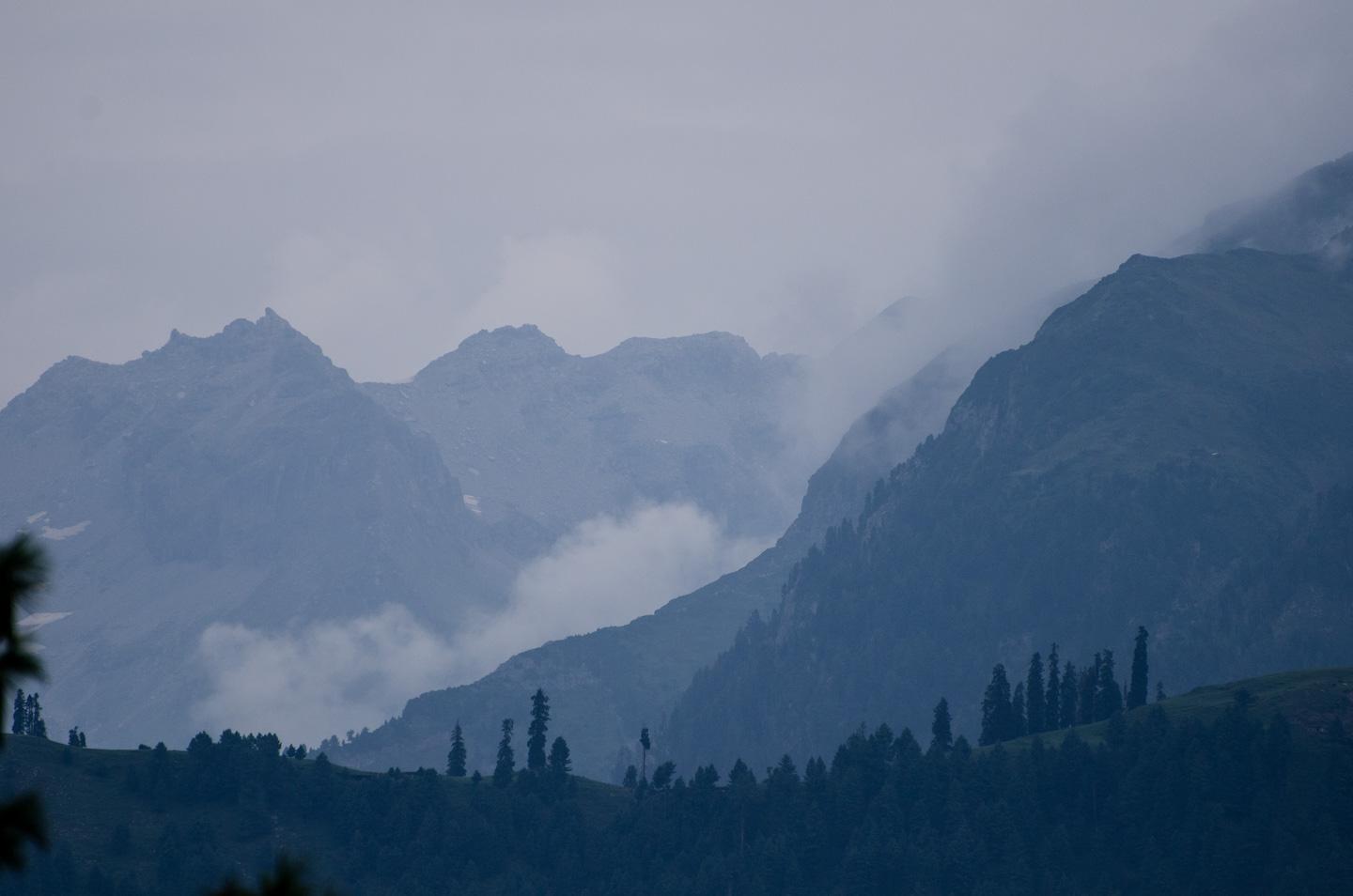
- Natural viewpoints offering expansive valley and mountain views
Main Attractions
- Siri Paye Meadows – Elevated grasslands above Shogran, reached by jeep, known for open landscapes and fresh mountain air
- Shogran Forest Area – Pine-covered surroundings suitable for walks and light exploration
- Local Scenic Viewpoints – Natural lookout spots offering views across Kaghan Valley
- Meadow Walking Zones – Open areas used for casual strolls and relaxation
- Nearby Hillsides – Gentle slopes ideal for short hikes without technical difficulty
- Seasonal Snow Views – Winter scenery is visible around Shogran during colder months
Together, these form the most visited places to visit in Shogran, especially for first-time travelers.
How to Reach
- Nearest airport: Islamabad International Airport
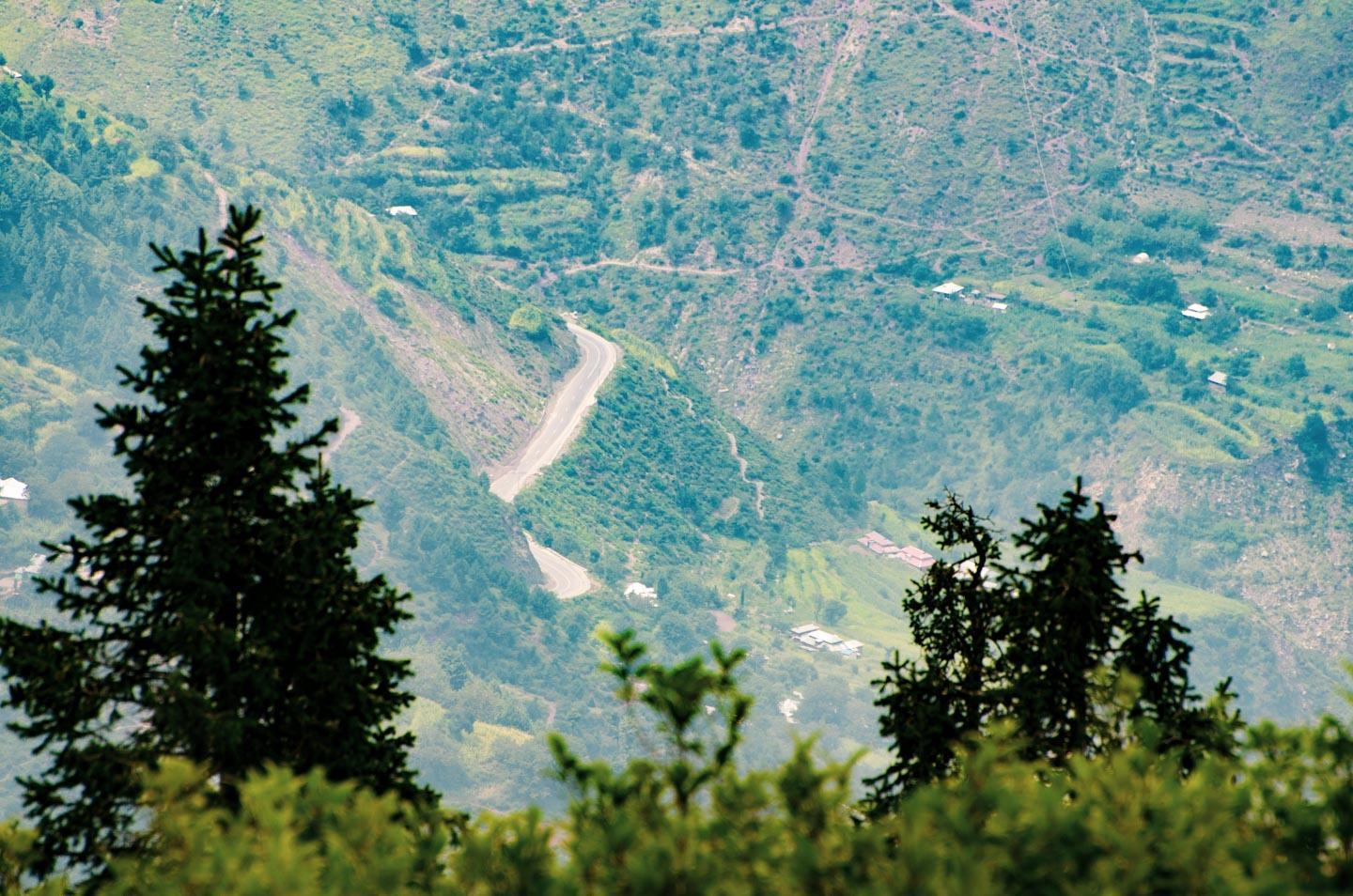
- By road: From Islamabad, travel to Balakot and continue toward Kaghan Valley. At Kiwai, a steep road leads to Shogran.
- Local transport: Jeeps are recommended for the steep ascent to Shogran and are required for onward travel to Siri Paye Meadows.
Road conditions can vary by season, so checking local travel updates before departure is advised.
Main road route (standard):
Islamabad/Rawalpindi → Hazara Motorway (E-35) corridor → Mansehra/Balakot side → Kiwai → Shogran (final climb road) → onward jeep/hike for Siri Paye (season-dependent).
Distance & route table (major cities)
(Road distances vary by exact start point and route; use these as practical planning figures.)
From City | Approx. Road Distance to Shogran | Typical Route Notes |
Islamabad | ~212 km to the region; many guides quote ~215–225 km overall | Via Hazara Motorway side + Balakot/Kiwai approach |
Lahore | ~467 km (road) | Long drive; many travelers overnight in Islamabad/Mansehra |
Karachi | ~1497 km (road) | Usually fly to Islamabad, then drive onward |
Peshawar | ~288 km (road) | Join the main Hazara route after reaching the motorway corridors |
Faisalabad | ~484 km (road) | Common approach via the motorway network toward the Islamabad side |
Balakot (closest hub town) | ~34 km | This is the key “last hub” before the Kiwai/Shogran climb |
Local transport notes:
- The final ascent to Shogran is a mountain climb road; hire an experienced local driver if you’re not confident.
- Access to Siri/Paye is commonly jeep-based in the primary accessible season; hiking is possible with the right gear when snowed in.
Best Time to Visit
- Best season: Late spring to early autumn is the easiest window for the classic Shogran Siri Paye experience (road/jeep access is more straightforward).
- Weather: Expect cool evenings even in summer; mountain weather changes fast—rain and fog can roll in.
- Travel suitability: Peak months are busier; off-peak weekdays are calmer for things to do in Shogran like photography and quiet meadow time.
These factors determine the best time to visit Shogran depending on travel comfort and accessibility.
Hotels & Accommodation in Shogran
Accommodation in Shogran is limited but purpose-built for short mountain stays. Most options are small hotels, guesthouses, and rest houses clustered near the main plateau. Rooms are generally simple, focusing more on warmth and location than luxury. Travelers usually choose Shogran for one or two nights rather than extended stays.
During peak summer months, availability can become tight, especially on weekends. Many visitors prefer accommodations that offer easy access to the Siri Paye jeep route, as early morning departures are common. Heating is essential even in summer, as temperatures drop sharply at night. Travelers should confirm hot water availability in advance, as it may be limited during busy periods.
Shogran is best suited for travelers who value location and scenery over facilities, and who plan to spend most of their time outdoors.
Things to Do
- For photography lovers:
Sunrise and sunset meadow frames; low clouds and fog after rain; pine-backdrop portraits; wide-angle shots across Siri Paye Meadows.
- For nature lovers:
Slow meadow walks, forest-edge quiet time, bird-spotting, and picnic stops away from main jeep drop points; seasonal camping in open grasslands and beside nearby lakes like Trehai (Tehari) Lake.
- For horse-riding lovers:
Horse riding is commonly used for meadow access where available, offering a scenic way to explore trails and views around Siri and Paye (confirm locally).
- For soft-adventure travelers:
Jeep ride up to Siri Paye in season; treks across meadow circuits and gentle peaks; short hikes around Shogran village and plateau.
- For winter adventure lovers:
In snowy months, skiing on the snow-covered slopes around Siri Paye and Shogran winter fields, with local operators often arranging ski gear and guided runs (availability varies with snowfall and access).
- For families:
Easy-paced day plan — Shogran base + one main excursion; boating at alpine Lake near Shogran when open in summer, relaxed meadow views, and frequent photo stops.
Notes & Local Tips
- Boating in Shogran: This alpine lake near Shogran is known locally as a spot where boating is sometimes arranged seasonally (in the summer months) — best to confirm boat availability locally before planning.
- Skiing in Shogran: Shogran and Siri Paye winter snowfields offer natural ski terrain; local guides and seasonal operators often help visitors with ski equipment and suitable slopes when roads and snow conditions allow.
Local Cuisine in Shogran
Food in Shogran is simple, hearty, and closely tied to what travelers already enjoy across Kaghan Valley. Most local eateries and hotel kitchens serve fresh trout, which is sourced from nearby mountain streams and cooked lightly, usually grilled or fried. It remains one of the most requested meals among visitors.
Other commonly enjoyed dishes include chapli kebab, chicken karahi, and daal chawal, prepared in a straightforward, home-style manner. During colder months, travelers often prefer hot tea, kehwa, or simple soups in the evenings. Breakfasts are typically traditional, featuring parathas, eggs, and local butter, which many visitors find especially satisfying after a cool night in the hills.
Culture and People of Shogran
Shogran does not function as a large permanent town; instead, it is supported by nearby villages in the Kaghan Valley. The local population primarily belongs to Hindko-speaking communities, with strong cultural ties to the Mansehra and Balakot regions. Daily life here remains modest and seasonal, shaped by tourism during warmer months and quieter winters.
Cultural expression in Shogran is subtle rather than performative. Visitors may notice traditional wooden homes, simple village attire, and locally made items such as handwoven wool shawls and embroidered caps sold in nearby markets. There are no large festivals specific to Shogran itself, but local customs revolve around hospitality, respect for guests, and seasonal rhythms, which visitors often experience through everyday interactions rather than formal events.
Wildlife Around Shogran
Wildlife around Shogran is modest but noticeable, particularly in quieter forest areas. Visitors may spot monkeys, foxes, and small mammals moving through the trees, mostly during early mornings or near sunset. Birdlife is more prominent, with common sightings of pheasants, mountain birds, and seasonal migratory species. While Shogran is not a wildlife reserve, its natural setting still reflects the broader Himalayan ecosystem of northern Pakistan.
Flora and Fauna of Shogran
Category | Common Species | Where Visitors May Notice Them | Notes |
Trees | Pine, Fir, Deodar (nearby zones) | Surrounding forests and hillsides | These form the dominant forest cover of the Kaghan Valley region |
Wild Plants & Grasses | Alpine grasses, seasonal wildflowers | Meadows and open slopes, especially toward Siri Paye | Most visible in spring and early summer |
Small Mammals | Monkeys, foxes | Forest edges and quieter areas | Usually seen early morning or near sunset |
Birdlife | Pheasants, mountain birds, migratory species | Forests and open clearings | Bird activity is higher during calm, early hours |
Insects & Pollinators | Butterflies, bees | Meadows and flowering areas | Common during warmer months |
Travel Tips
- Pack layers: even if the daytime is pleasant, evenings can feel cold at elevation
- Wear grippy shoes: meadow paths can be wet/slippery after rain, especially near viewpoints.
- Start early for Siri Paye Meadows: clearer skies and softer light usually happen in the morning.
- Keep a buffer day in your plan: weather shifts can delay jeep trips or reduce visibility.
- Respect local routines and privacy: ask before photographing people, especially in small settlements.
- If traveling in colder months, confirm road and snow conditions locally before committing to the climb.