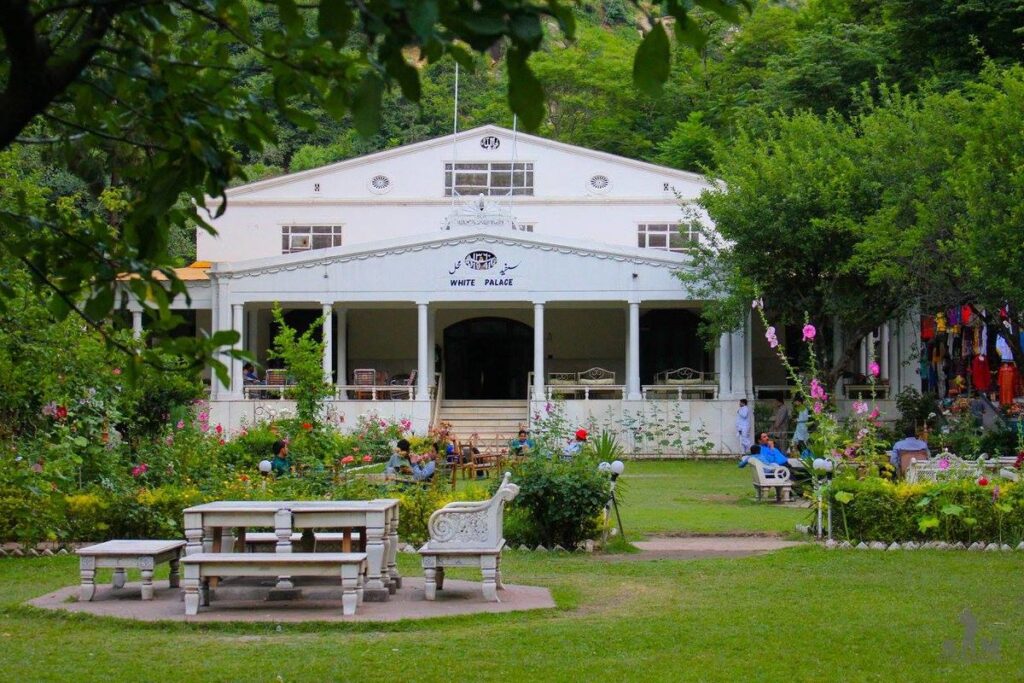
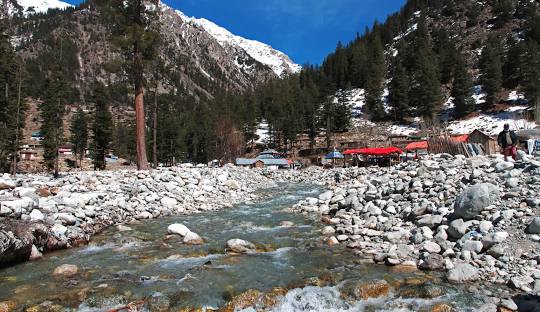
Kalam Valley Pakistan is one of the most scenic upper regions of Swat, located in the Swat Kohistan area of Upper Swat District. Kalam sits at around 2,000 meters above sea level and is known for river scenery, pine forests, and access to high-altitude lakes.
Kalam is not just a viewpoint destination, it functions as a base town for exploring the upper Swat belt, especially toward Ushu Valley Kalam, Matiltan, Utror, and the lake routes beyond. A defining geographical fact is that the Swat River forms at Kalam, where the Gabral and Ushu rivers meet.
These are the most searched and commonly visited places connected to Kalam Valley Swat:
Ushu Valley Kalam is one of the first major directions tourists take from Kalam, especially for forests, river views, and onward access toward Matiltan and Mahodand.
Internal link anchor: Explore Ushu Valley (planned micro destination)
Matiltan is commonly visited as an upper stop beyond Kalam, with road access and mountain scenery, and it sits roughly 11 km from Kalam.
Internal link anchor: Explore Matiltan (planned micro destination)
Mahodand Lake Kalam is one of the best-known lakes in the Kalam region, located around 40 km from Kalam, and is widely associated with boating, fishing, and summer camping.
Internal link anchor: Read Mahodand Lake guide (planned micro destination)
Kundol Lake Kalam is around 19 km from Kalam (Utror side) and is a known summer trekking/camping lake destination.
Internal link anchor: Read Kundol Lake guide (future)
Kalam’s road approach is typically via Swat’s main corridor (Mingora/Saidu Sharif) and then onward through Bahrain.
From City | Approx. Distance | Route Overview |
Islamabad | ~326 km | Islamabad → Mardan/Swabi → Swat Expressway corridor → Mingora/Saidu Sharif → Bahrain → Kalam |
Mingora (Swat) | ~99 km | Mingora → Bahrain → Kalam |
Peshawar | ~270 km | Peshawar → Mardan/Swabi → Swat corridor → Mingora → Bahrain → Kalam |
Karachi | — | Fly to Islamabad (or Peshawar), then continue by road to Kalam (best practical routing). |
Local transport notes
The best time to visit Kalam Valley is strongly shaped by seasonality:
Kalam has a wide spread of accommodation in and around the bazaar and roadside stretches, from basic guesthouses to more upgraded resort-style stays. (The simplest “truth” for an information portal is: availability exists at multiple budgets, but quality varies by property and season.)
What to advise without guessing:
This section is written so each activity icon at the top is actually supported on-ground.
Food in Kalam is strongly shaped by what travelers repeatedly seek in upper Swat: warm, simple meals and one standout identity.
Swat’s broader agriculture is known for fruits, including walnut, apricot, grapes, pears, figs, and peaches. Kalam, being in upper Swat, is part of the same regional identity travelers encounter through roadside stalls and market trade in season.

The culture of the Kalam Valley is distinct from that of thelower Swat towns and reflects the traditions of the Swat Kohistan region. The local population primarily belongs to Kohistani communities, and everyday life here is shaped by mountain geography, seasonal isolation, and close-knit social structures.
The dominant local language in Kalam is Gawri (also known as Kohistani), which is different from Pashto spoken in much of lower Swat. Pashto is widely understood, especially in markets and among people involved in tourism, while Urdu is commonly used with visitors. English is limited and mostly spoken by hotel staff and guides.
Daily clothing reflects both practicality and tradition:
Weddings in Kalam are important community events and usually take place during the summer months, when families who migrate to lower areas in winter return to the valley.
Kalam does not host large, named cultural festivals like urban centers. Cultural expression is instead tied to:
Winter defines Kalam’s cultural rhythm as much as summer. During heavy snowfall, many residents temporarily relocate to lower areas, and the valley becomes quiet. This seasonal movement is a defining feature of Kalam’s social life.
Hospitality in Kalam is reserved but sincere. Locals assist travelers with directions, weather advice, and road conditions, especially when conditions are uncertain.
Wildlife in the Kalam region exists mainly away from towns and main roads, especially toward upper valleys, forests, and alpine zones. Sightings depend on distance from human activity and season.
Category | Species / Types | Where Found | Visibility for Visitors |
Mammals | Himalayan marmot | Alpine meadows near Mahodand & upper valleys | Occasional (summer) |
Mammals | Red fox | Forest edges and remote slopes | Rare |
Mammals | Himalayan ibex | Rocky high-altitude zones | Very rare |
Mammals | Wild mountain goats | Upper slopes beyond settlements | Rare |
Birds | Himalayan monal (protected) | Dense forests at higher elevation | Very rare |
Birds | Snow partridge | Rocky and alpine terrain | Occasional |
Birds | Golden eagle | Open skies, high ridges | Rare |
Birds | Mountain finches & sparrows | Meadows and forest edges | Common |
Aquatic life | Brown trout | Cold streams and lakes | Common |
Aquatic life | Rainbow trout (introduced) | Rivers and Mahodand Lake | Common |
Kalam lies in a coniferous and alpine ecological zone, with vegetation changing rapidly with elevation.
Category | Species / Types | Where Found | Notes |
Trees | Pine | Forested belts around Kalam & Ushu | Very common |
Trees | Fir | Higher forest zones | Common |
Trees | Birch | Upper alpine areas | Limited |
Ground flora | Alpine grasses | Meadows & lake surroundings | Common in summer |
Flowers | Seasonal wildflowers | Upper valleys, Mahodand basin | Seasonal |
Shrubs & herbs | Mountain shrubs | Hillsides and forest clearings | Common |
These ecosystems are fragile, especially during peak summer when visitor numbers rise.
Traveling to Kalam Valley requires preparation beyond standard city travel. Locals emphasize planning with season, distance, and self-sufficiency in mind.
Kalam rewards travelers who move slowly, listen to local advice, and remain flexible with their plans.