
Jhelum Pakistan is a historic river city in northern Punjab, located along the banks of the Jhelum River. Known for its military legacy, proximity to the Salt Range, and agricultural surroundings, Jhelum is both a working city and a gateway to important regional landmarks.
Unlike tourist-heavy destinations, Jhelum does not rely on scenic viewpoints or mountain passes. Its strength lies in its river identity, colonial-era structures, proximity to salt mines, and long-standing ties to Pakistan’s armed forces.
The city also serves as the main access point for one of the most significant micro destinations in the region, the Khewra Salt Mine in Pakistan.
Image Placement 1
Alt text: Aerial view of Jhelum city and Jhelum River in Punjab Pakistan
Jhelum’s history stretches back to ancient times. The region is often associated with the Battle of the Hydaspes between Alexander the Great and King Porus, which many historians believe took place near the Jhelum River.
During British rule, Jhelum developed into a key cantonment town. This period shaped the city’s urban layout, infrastructure, and institutional presence. Even today, the cantonment area remains an important part of the city’s structure.
Over time, the city expanded into a commercial and residential hub serving the surrounding rural and Salt Range communities.
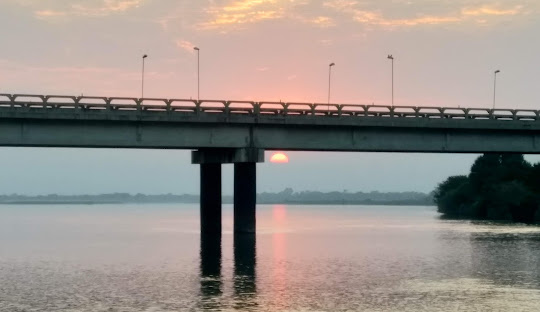
The river remains the defining feature of the city. Riverside walks and photography opportunities are common, especially during cooler months. The river also supports agriculture and local livelihoods.
Located approximately 30–35 km from Jhelum city, the Khewra Salt Mine Pakistan is the second-largest salt mine in the world and one of the most visited places in the district.
Internal Link Anchor: Khewra Salt Mine
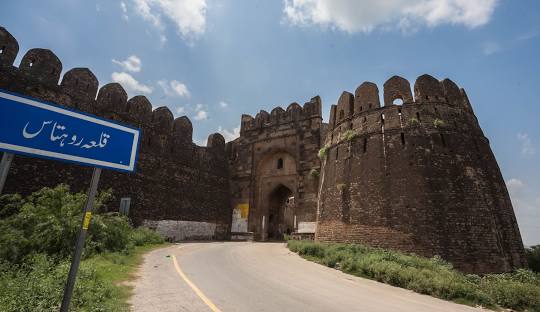
Although administratively closer to Dina, Rohtas Fort is commonly accessed from the Jhelum side and represents one of the most important Mughal-era fortifications in the region.
Internal Link Anchor: Rohtas Fort
The Salt Range provides geological diversity, road-trip routes, and access to Katas Raj and the surrounding areas.
Internal Link Anchor: Katas Raj Temples
These collectively represent the most relevant places to visit in Jhelum and the surrounding district.
From City | Approx. Distance | Travel Time | Route Overview |
Islamabad | ~120 km | 2–2.5 hours | M-2 Motorway |
Lahore | ~175 km | 3–4 hours | M-2 Motorway |
Rawalpindi | ~110 km | 2–2.5 hours | M-2 Motorway |
Faisalabad | ~280 km | 4.5–5 hours | M-2 via Lahore interchange |
Karachi | ~1,300 km | Fly to Islamabad/Lahore + road |
The best time to visit Jhelum is between October and March when temperatures are moderate.
Summer can be extremely hot due to its location in the plains near the Salt Range. Winter is cooler and more suitable for exploring the surrounding landmarks.
Jhelum offers mid-range hotels, guesthouses, and small business accommodations. It is not a resort city, so options are functional rather than luxury-focused.
Visitors often stay overnight when visiting the Khewra Salt Mine or Rohtas Fort.
Advance booking is advisable during long weekends and wedding seasons.
For history enthusiasts
Explore Rohtas Fort, study colonial-era cantonment structures, and visit regional landmarks connected to ancient narratives.
For nature lovers
Riverside walks, Salt Range drives, and quiet agricultural landscapes outside the city center.
For families
Day trip to Khewra Salt Mine, short road trips to surrounding historical sites.
For photographers
River views at sunset, Salt Range hills, mine interiors, and traditional markets.
These define the core things to do in Jhelum, Pakistan.
Food in Jhelum reflects central Punjabi cuisine with slight regional variation.
Full meals commonly found:
Famous fruits of the region:
Dry fruits commonly available in markets:
Food culture here is practical and home-style. Restaurants cater primarily to local families rather than tourist dining.
Language
Punjabi is widely spoken, along with Urdu. The local dialect aligns with Potohari and northern Punjabi linguistic patterns.
Dress
Men commonly wear shalwar kameez and waistcoats during formal gatherings. Women wear traditional shalwar kameez with a dupatta, especially during weddings and religious celebrations.
Community and Heritage
Jhelum has a long-standing historical association with public service and structured civic life. The cantonment presence shaped educational institutions, residential planning, and administrative organization in the city.
Festivals
National celebrations such as Independence Day and religious festivals such as Eid are observed with strong community participation.
Handicrafts and Market Culture
Local markets focus on textiles, everyday goods, agricultural produce, and traditional clothing. While Jhelum does not have one exclusive handicraft identity, embroidery and locally stitched garments remain part of market culture.
Category | Species | Where Found | Visibility |
Mammals | Wild boar | Salt Range forests | Occasional |
Mammals | Fox | Rural outskirts | Rare |
Mammals | Small desert mammals | Rocky terrain | Rare |
Category | Species | Where Found | Visibility |
Birds | Partridge | Salt Range | Occasional |
Birds | Common sparrows | Urban areas | Common |
Birds | Seasonal migratory birds | River belt | Occasional |
What to pack:
Additional advice: