
Sheikhupura Pakistan is one of Punjab’s most historically important districts, located just northwest of Lahore. It is best known for Hiran Minar Sheikhupura, a Mughal-era monument that defines the city’s tourism identity.
However, reducing Sheikhupura to a single monument would miss its full character. The district combines Mughal heritage, wetland ecosystems, and agricultural strength, particularly in rice cultivation. It also functions as one of the easiest heritage day trips from Lahore while still having enough depth to stand on its own.
If you are looking for meaningful places to visit in Sheikhupura, you will find more than a monument. You will find a district shaped by empire, water systems, and farmland.
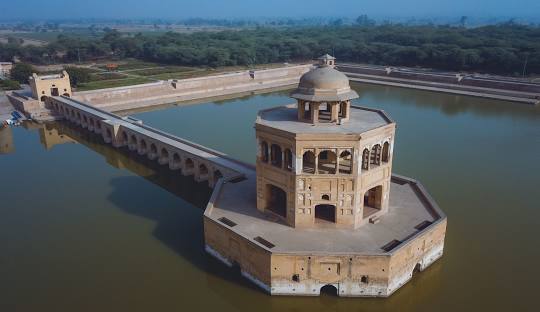
Sheikhupura was founded during the Mughal era and named after Emperor Jahangir, whose childhood nickname was Sheikhu. The district gained prominence during his reign, particularly through the construction of Hiran Minar Sheikhupura.
The monument was built in memory of Jahangir’s pet deer. While the emotional story often draws attention, the architectural and hydraulic engineering behind the site is equally important. The complex includes:
The water tank was not only symbolic but also functional, reflecting Mughal mastery of hydraulic planning. The surrounding landscape originally served as a royal hunting ground.
Sheikhupura Fort, another Mughal-era structure within the city, reinforces the district’s administrative importance during that time.
Over centuries, Sheikhupura transitioned from imperial retreat to agricultural district, supported by canal irrigation networks.
The defining landmark of Sheikhupura Pakistan. The tower stands beside an expansive water reservoir with a pavilion in the center. Visitors walk along the causeway to reach the pavilion, which offers panoramic views of the surrounding district.
Internal Link Anchor: Hiran Minar
Though less preserved than Lahore Fort, this Mughal-era fort adds architectural depth to the district. It reflects the region’s role in imperial administration.
Sheikhupura district contains important wetland areas that support migratory birds during winter months. These wetlands are ecological spaces rather than commercial tourism zones. Birdwatchers and photographers find them valuable during seasonal migration.
The district is widely recognized for rice cultivation, particularly basmati varieties. Driving through rural Sheikhupura reveals extensive farmland and irrigation systems that define its economic strength.
These collectively define the strongest things to do in Sheikhupura beyond a single monument.
From City | Approx. Distance | Travel Time | Route |
Lahore | ~40 km | 1–1.25 hours | Lahore → Sheikhupura Road |
Islamabad | ~320 km | 4.5–5 hours | M-2 Motorway |
Faisalabad | ~120 km | 2–2.5 hours | Regional highways |
Multan | ~330 km | 5–6 hours | Motorway corridor |
Sheikhupura’s proximity to Lahore makes it a convenient heritage escape.
The best time to visit Sheikhupura is from October to March.
Summer temperatures can be high, especially in open heritage sites like Hiran Minar. Winter offers comfortable walking conditions and better birdwatching opportunities in wetlands.
Sheikhupura has limited hotel options compared to Lahore. Many travelers choose to stay in Lahore and visit Sheikhupura as a day trip.
For longer visits focused on wetlands or rural exploration, modest accommodations are available within the district.
Food in Sheikhupura Pakistan reflects central Punjabi cuisine combined with its rice-producing identity.
Full meals commonly found:
Agricultural significance:
Sheikhupura is one of Punjab’s rice belts, particularly known for basmati cultivation. Rice-based dishes are central to local dining culture.
Fruits of the region:
Dry fruits available in markets:
Food culture is family-focused and traditional. Restaurants emphasize hearty meals rather than specialty dining.
Language
Punjabi is the dominant language, with Urdu widely understood.
Dress
Traditional Punjabi dress remains common. Men wear shalwar kameez and waistcoats for formal events. Women wear embroidered Punjabi suits with dupatta.
Festivals
Religious festivals such as Eid are celebrated across the district. Agricultural cycles influence rural celebrations tied to harvest periods.
Handicrafts
Local markets feature textile embroidery, stitched garments, and traditional cloth materials. While Sheikhupura does not have a single exclusive handicraft brand, textile work remains part of daily culture.
Sheikhupura’s culture reflects a balance between Mughal heritage and agricultural livelihood.
Species | Location | Visibility |
Jackal | Rural outskirts | Rare |
Wild boar | Agricultural edges | Occasional |
Species | Location | Visibility |
Migratory waterfowl | Wetlands | Seasonal |
Partridge | Fields | Occasional |
Common sparrows | Urban areas | Common |
Wetland areas provide better opportunities for seasonal bird observation.
What to pack:
Additional advice:
If Lahore feels too urban and Murree too distant, Sheikhupura Pakistan, offers something grounded. It combines Mughal architecture, wetlands, and agricultural identity in one district.
It is not dramatic. It is layered.